Protecting Water Sources: Spring Restoration in 24 Wards
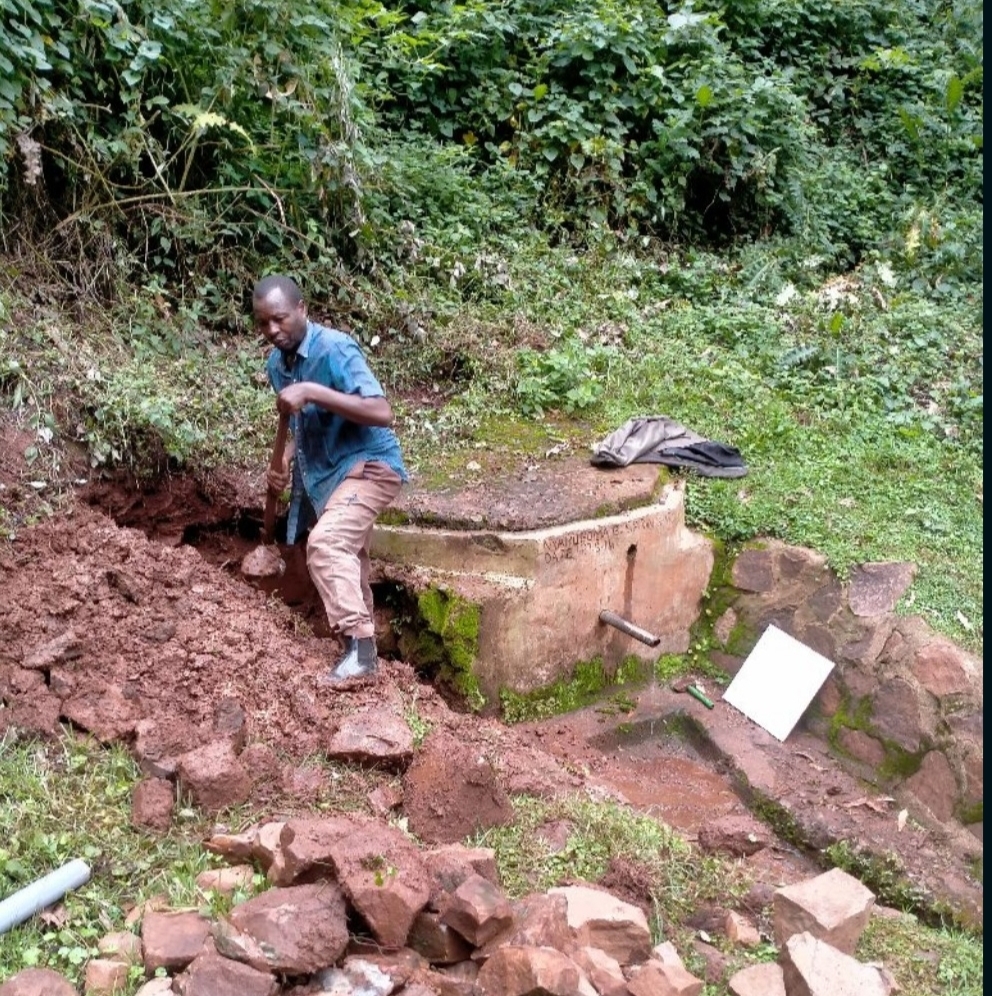
Water source in Bogusero ward before Rehabilitation
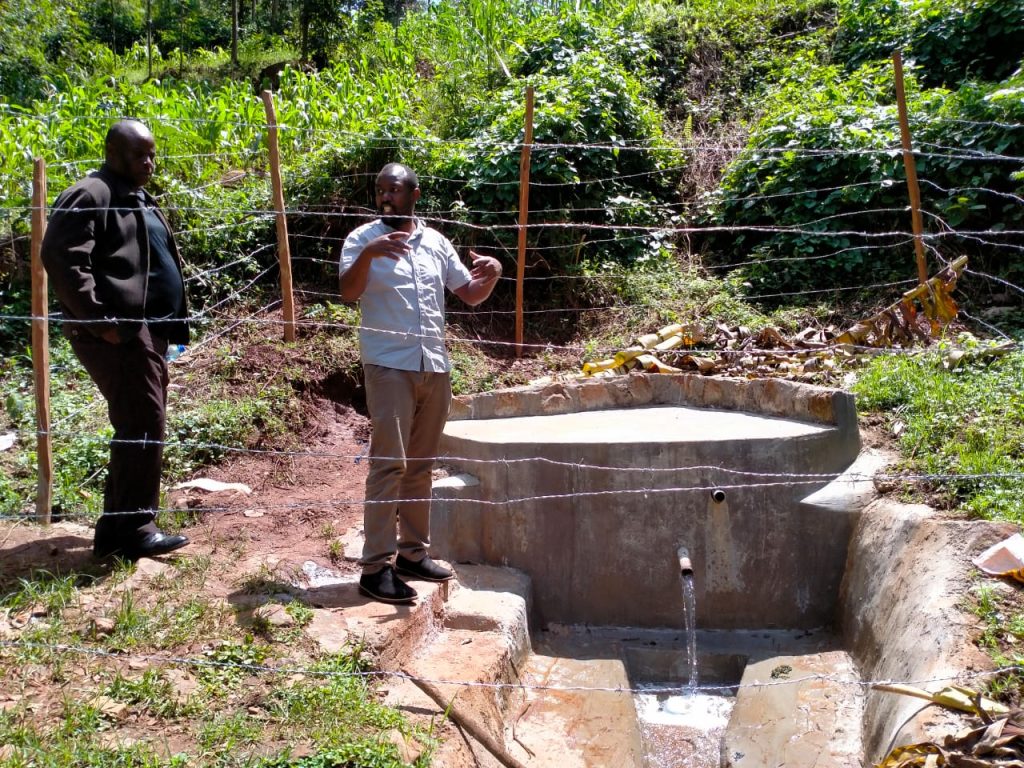
Water source in Bogusero ward After Rehabilitation
A picture of a water source in Boikanga ward before Rehabilitation
After Rehabilitation
Project Overview
Project Name:
Rehabilitation and Protection of Water Sources in 24 Wards within the County Government of Kisii
Start Date:
18th October 2024
Estimated Completion Date:
30th November 2024
Status:
Completed
Sector:
Climate Change, Water
Location:
24 wards
Introduction
As part of our commitment to environmental protection and sustainable water resource management, the Directorate of Climate Change has restored and protected springs across Kisii County. These interventions not only secure clean and safe water for communities but also preserve fragile ecosystems that are essential for long-term climate resilience. By addressing the root causes of spring degradation, such as eucalyptus overgrowth, contamination, and unrestricted access, the initiative demonstrates the County’s dedication to both ecological conservation and community well-being.
Economic Benefit
The rehabilitation of springs has significant economic advantages for local communities like Improved water availability. Also enhances agricultural productivity by supporting irrigation and livestock rearing, leading to better harvests and higher household incomes. Additionally, reducing waterborne diseases lowers healthcare expenses, freeing up resources for other economic activities. By ensuring sustainable water supplies, the project contributes to greater economic stability and resilience, particularly for rural households that depend heavily on natural resources.
Citizen Benefit
For citizens, the benefits of spring restoration are immediate and life-changing. Communities now have access to clean, safe, and easily accessible water, which improves public health and reduces the risk of waterborne illnesses. Women and children, who often bear the burden of fetching water, can save time and energy, allowing them to focus on education, family care, and income-generating activities. The protective measures around springs also ensure long-term water security, giving citizens confidence that this essential resource will be available for current and future generations.